Is USDC Mining Real Unveiling the Truth Behind Blockchain Simulations
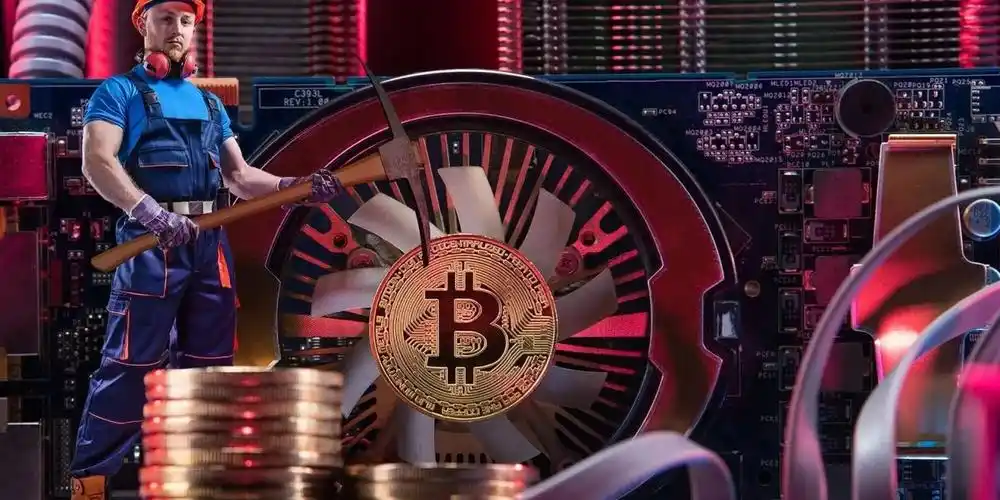
In the ever-evolving world of cryptocurrency, the term “simulating blockchain USDC mining” frequently surfaces, sparking curiosity and confusion. Many newcomers encounter promises of easy earnings through platforms or software claiming to simulate the mining of USD Coin (USDC). This article aims to demystify this concept, explain the underlying technology, and highlight critical security considerations for anyone navigating this space.
First, it is essential to understand what USDC is. Unlike Bitcoin, USD Coin is a stablecoin, meaning its value is pegged 1:1 to the US dollar. It is issued by regulated financial institutions and operates primarily on blockchain networks like Ethereum. Crucially, USDC is not “mined” through computational proof-of-work like Bitcoin. New USDC tokens are created and issued based on actual US dollar deposits held in reserve. Therefore, the phrase “USDC mining” is, in itself, a misnomer. There is no process to discover new USDC blocks through solving complex puzzles.
So, what does “simulating blockchain USDC mining” refer to? Typically, it describes applications, websites, or software that mimic the visual experience or mechanics of cryptocurrency mining. These simulations might show hash rates, mining speeds, and accumulating USDC balances. However, these are often just graphical representations or numbers in a database, not actual blockchain transactions. Some platforms use this simulation as part of a game, an educational tool to explain blockchain concepts, or, more worryingly, as a facade for fraudulent schemes.
The most significant risk lies with platforms that require an initial deposit or investment, promising high returns from simulated USDC mining. These are often classic high-yield investment program (HYIP) scams or Ponzi schemes. Users might see a growing balance in their dashboard, but withdrawing those “mined” funds is usually impossible without exorbitant fees or additional deposits, or the website simply vanishes. It is vital to remember: if something sounds too good to be true, it almost certainly is. Real USDC is earned through providing liquidity, staking in legitimate protocols, or straightforward buying on exchanges, not through simulated mining software.
From an educational perspective, simulation tools can have value. They can help individuals understand how proof-of-work mining functions for coins like Bitcoin, applying the concept to a stable asset for easier comprehension. Legitimate blockchain education platforms might use such simulations to illustrate network security, transaction verification, and the role of miners without involving real financial assets.
In conclusion, while the idea of “simulating blockchain USDC mining” exists, it is not a method to generate genuine income. Understanding the nature of stablecoins versus mineable cryptocurrencies is the first step in avoiding deception. For those interested in the crypto space, prioritize security, conduct thorough research, and rely on established, transparent methods for earning or investing. Always verify the legitimacy of any platform and remember that real cryptocurrency operations are built on open, verifiable blockchain transactions, not behind-the-scenes simulations.