

How to Find Your Binance Wallet Address: A Complete Guide for Deposits & Receiving Crypto

Navigating the world of cryptocurrency can seem complex at first, but understanding how to find and use your wallet address is a fundamental step. Whether you're looking to deposit Bitcoin, receive Ethereum from a friend, or simply verify your digital asset holdings, knowing your Binance wallet address is essential. This comprehensive guide will walk you through the simple process of viewing your deposit addresses on Binance, explain the different types of addresses, and provide crucial safety tips to protect your funds. We'll cover everything from the main Binance Spot Wallet to specific networks for coins like Bitcoin and Ethereum, ensuring you have the knowledge to manage your crypto with confidence.
What is a Crypto Wallet Address?
Before we dive into the "how-to," let's clarify what a wallet address actually is. Think of it as your unique digital bank account number in the cryptocurrency world. A Binance wallet address is a long string of letters and numbers (and sometimes QR code) that identifies a specific location on a blockchain where you can receive digital currencies. It's public information you can share with others to receive funds, much like sharing your email address to receive a message. However, it's critically important to understand that each cryptocurrency (like BTC, ETH, USDT) has its own unique address format, and sending coins to the wrong address type can result in permanent loss.
Step-by-Step: How to View Your Binance Deposit Address
Finding your deposit address on Binance is a straightforward process, whether you're using the web platform or the mobile app. Here’s a detailed walkthrough for both methods to ensure you can access your information from any device.
On the Binance Website (Desktop)
First, log in to your Binance account. Once logged in, navigate to the top menu and hover over "Wallet." From the dropdown menu, select "Overview." This will take you to your main wallet dashboard. Here, you will see a list of your assets. Find the cryptocurrency you wish to deposit (e.g., Bitcoin, Ethereum, Cardano). Next to the asset, click on the "Deposit" button. A new window will pop up, displaying your unique deposit address for that specific coin. You will also see a QR code representation of the address, which you can scan with a mobile device for convenience. Always double-check that the network selected (e.g., Bitcoin Network, BEP20, ERC20) matches the network the sender is using.
Using the Binance Mobile App
Open the Binance app and log in. Tap on the "Wallet" tab, usually located at the bottom of the screen. On the wallet homepage, tap "Deposit." You will then see a search bar or a list of popular cryptocurrencies. Type or select the coin you want to receive (for example, "BTC" for Bitcoin). The app will then display your deposit address and its QR code. A crucial step here is to select the correct network. The app will often warn you if you're selecting an incompatible network. For instance, if you want to receive Bitcoin, you must ensure the sender also uses the Bitcoin network, not a different one like BEP2 or BEP20.
Understanding Different Networks and Address Types
A common point of confusion for new users is the variety of networks available for a single coin. For example, when depositing USDT (Tether), Binance may offer options like ERC20 (Ethereum network), TRC20 (Tron network), or BEP20 (Binance Smart Chain). Each of these is a separate blockchain with its own address format. Sending USDT via the ERC20 network to a TRC20 address will result in the loss of your funds. Therefore, it is absolutely vital to confirm with the sender which network they are using and to select the matching network on Binance before generating or sharing your address. Always copy the address directly from the Binance deposit page rather than typing it manually to avoid errors.
Essential Safety Tips for Using Your Wallet Address
Security is paramount in cryptocurrency. While your deposit address is public, how you handle it matters greatly. First, always use the "Copy" button provided by Binance instead of manually selecting and copying the text. This prevents mis-copying a single character. Second, before finalizing any large transaction, conduct a small "test deposit" with a minimal amount to verify the address and network are correct. Third, beware of phishing sites. Always ensure you are on the official Binance website (check the URL) before logging in and viewing your wallet addresses. Never share your private keys or recovery phrases with anyone; these are completely different from your public deposit address and should be kept secret at all times.
Common Questions About Binance Wallet Addresses
Many users wonder if their Binance deposit address changes. For most cryptocurrencies, your address on Binance remains static and can be reused for multiple deposits. However, for enhanced privacy, some coins (like Bitcoin) may generate a new address for you each time, though all previous addresses will still forward funds to your wallet. Another frequent question is about transferring between Binance products, such as from Spot Wallet to Futures Wallet. This is an internal transfer and does not require using a public blockchain address; it's an instant, fee-free move within your Binance account. Lastly, if you cannot find a deposit address for a specific token, ensure the token is supported by Binance for deposits and that trading is not temporarily suspended for that asset.
Conclusion: Mastering Your Crypto Deposits
Knowing how to find and correctly use your Binance wallet address is a cornerstone skill for anyone involved in the crypto ecosystem. By following the simple steps outlined above—accessing your wallet, selecting the correct asset and network, and adhering to security best practices—you can confidently receive digital assets from any source. Remember, the key to safe transactions lies in attention to detail: always verify the network and address, start with test transactions, and prioritize security above all else. With this knowledge, you're well-equipped to manage your cryptocurrency deposits on one of the world's leading exchanges.
“How to Find Your Binance Wallet Address: A Complete Guide for Deposits & Receiving Crypto” 的相关文章

什么是 Web3?它是下一代互联网,还是又一个炒作陷阱?
导读•AI导读带你速览精华Web3不是技术升级,而是一场权力重构——它要把你的数据、身份和资产从巨头手中夺回来。这场革命的核心不是币价炒作,而是重新定义“谁拥有互联网”。内容由AI智能生成有用你敢说你懂Web3?别急着点头,99%的人都错了。很多人一听“Web3”,第一反应是:这不就是比特币、区块链...
参与虚拟货币交易所推荐返佣,是否构成开设赌场罪帮助犯?
一、案情引入设定以下场景:A某是B交易所平台上的一名普通用户,B交易所是一家国际知名的数字货币交易平台,其总部位于境外,用户可以在平台上进行市场买卖、限价委托、市价委托以及止盈止损委托,也可以通过平台的杠杆服务实现对数字资产的杠杆交易,还可以通过平台的合约服务实现对数字资产衍生品的交易。最初,A某通...
数字资产对冲策略:全面指南与风险管理
数字资产对冲策略:全面指南与风险管理什么是对冲对冲策略对冲工具案例分析风险考量在高度波动的数字资产市场中,对冲策略已成为投资者保护资本的重要工具。本文将全面解析数字资产对冲的各种方法,帮助您在加密货币投资中有效管理风险。什么是数字资产对冲?数字资产对冲是指通过建立相反或相关的头寸,来抵消主要投资可能...
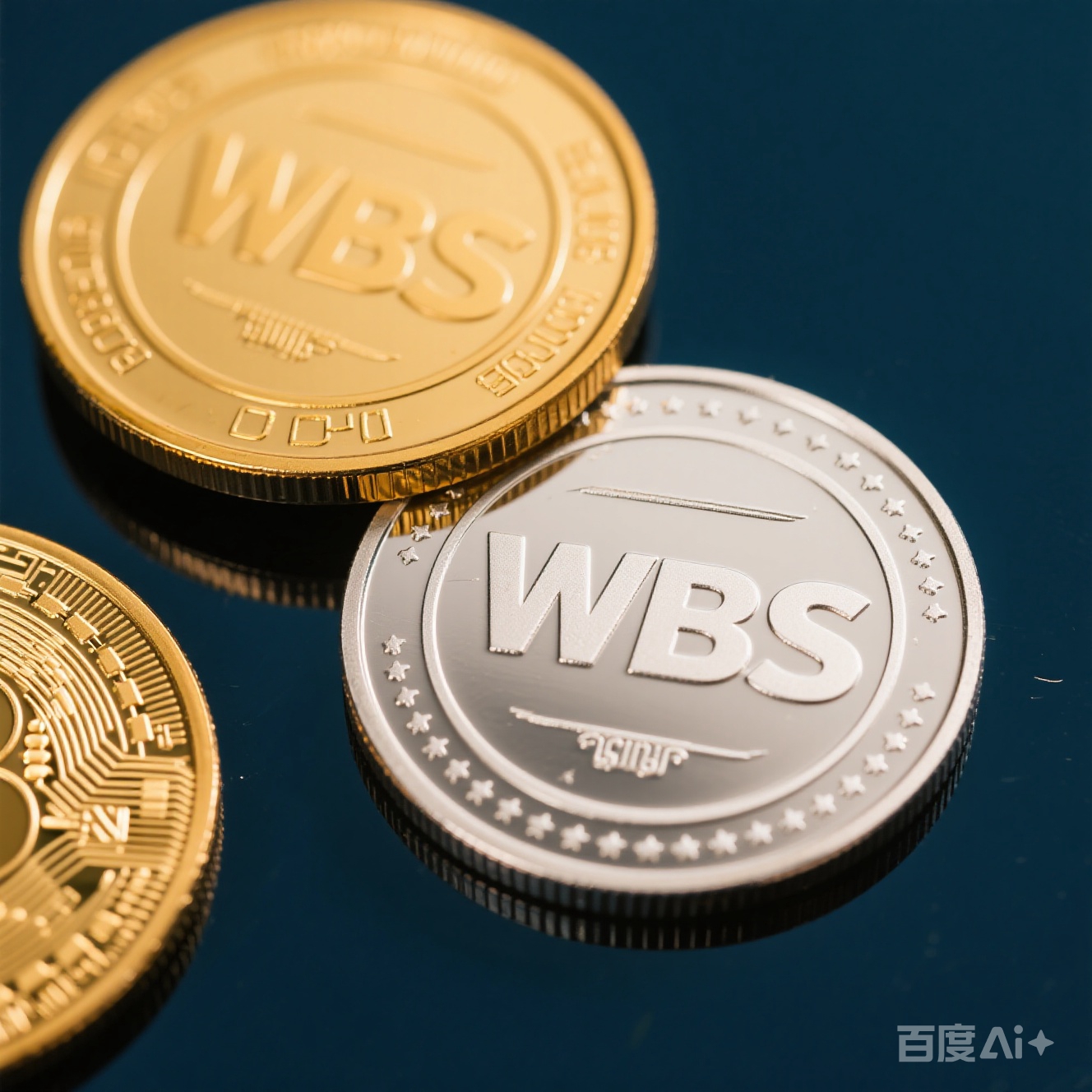
WBS 币用途 - 全面解析这一新兴加密货币的多场景应用
WBS 币用途:全面解析这一新兴加密货币的多场景应用简介支付结算投资理财DeFi应用NFT与元宇宙未来发展WBS币简介WBS币(World Blockchain System Coin)是一种基于区块链技术的新型加密货币,近年来在数字资产领域崭露头角。作为一种去中心化的数字资产,WBS币不仅具备传统...

BTC价格历史记录:比特币从诞生到2025年的价格演变全解析
BTC价格历史记录:比特币从诞生到2025年的价格演变全解析最后更新:2025年8月1日目录比特币价格概述早期发展阶段(2009-2012)第一次繁荣与泡沫(2013-2014)成熟期与机构入场(2015-2017)2017年大牛市2020-2021市场周期当前市场状况(2022-2025)影响BT...
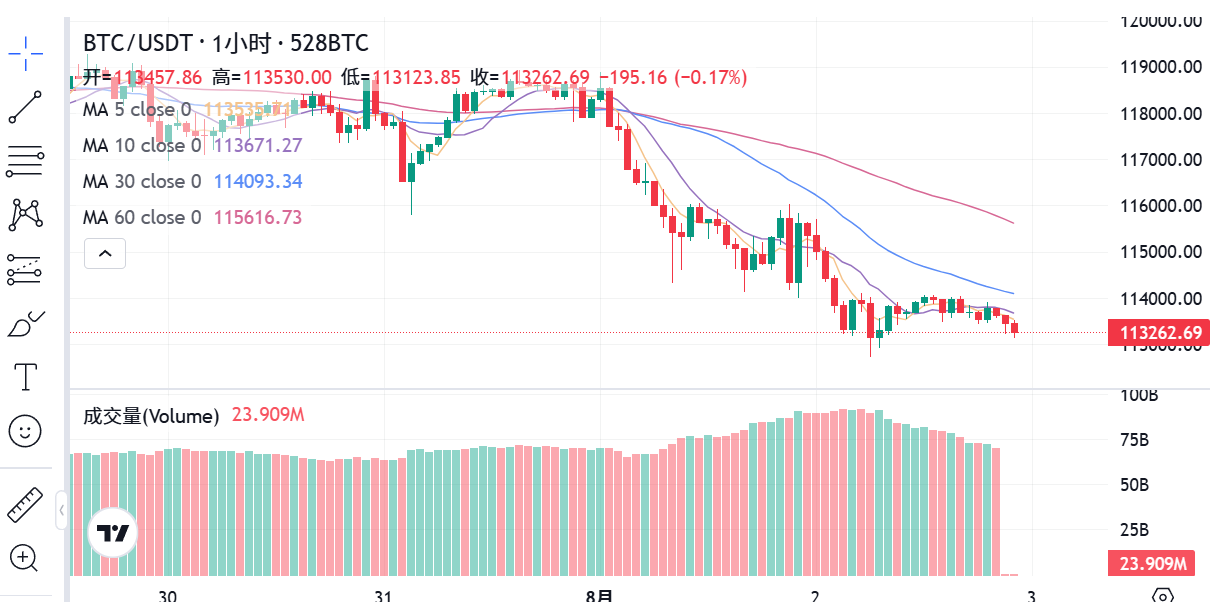
BTC最新成交量分析:市场流动性深度解读
BTC最新成交量分析:市场流动性深度解读最后更新:2025年8月2日目录成交量概览成交量趋势分析交易所成交量对比大额交易追踪市场流动性评估成交量与价格关系成交量技术指标投资洞察常见问题BTC成交量概览截至2025年8月2日,比特币24小时全球交易量达到580亿美元,较上周平均水平增长35%。其中现货...