

BK Exchange vs OKX: A Comprehensive Comparison of Features, Fees & Security (2024 Guide)

Navigating the world of cryptocurrency exchanges can be daunting, especially when choosing between major global platforms. Two names that often come up for traders are BK Exchange and OKX. While both offer access to digital assets, they cater to different needs and user profiles. This in-depth guide breaks down the key differences between BK Exchange and OKX, covering trading features, fees, security, supported assets, and more, to help you decide which platform is the right fit for your crypto journey.
Platform Overview and Core Focus
OKX is a globally recognized, top-tier cryptocurrency exchange founded in 2017. It serves millions of users worldwide and is known for its extensive suite of products, including spot trading, futures, options, margin trading, and innovative offerings like DeFi and Web3 services through its OKX Wallet. Its core focus is on providing a comprehensive, professional trading ecosystem for both retail and institutional clients.
BK Exchange, on the other hand, is a digital asset trading platform that has gained significant traction in specific regional markets. Its focus often leans towards providing accessible fiat on-ramps, user-friendly interfaces for beginners, and localized services. The exchange emphasizes security and compliance within its operating regions, making it a popular choice for users seeking a straightforward entry into crypto within those jurisdictions.
Supported Cryptocurrencies and Trading Pairs
One of the most significant differences lies in asset variety. OKX boasts one of the widest selections in the industry, supporting hundreds of cryptocurrencies and thousands of trading pairs. From major coins like Bitcoin (BTC) and Ethereum (ETH) to a vast array of altcoins and new tokens, OKX is a hub for diverse trading strategies. It also offers extensive trading pairs against USDT, USD, and other stablecoins.
BK Exchange typically offers a more curated selection of digital assets. It focuses on listing major, high-market-cap cryptocurrencies and a selection of popular altcoins that are in demand within its primary user markets. This approach can be less overwhelming for newcomers but may limit options for advanced traders looking for niche tokens or a wider range of altcoin pairs.
Trading Fees and Cost Structure Comparison
Fee structures are a critical factor for any trader. OKX operates on a maker-taker fee model, which is common among major exchanges. Fees can be significantly reduced by holding and using the platform's native utility token, OKB, for fee payments. High-volume traders also benefit from tiered fee discounts, making it cost-effective for professional and institutional activity.
BK Exchange also employs a competitive fee structure, often designed to be attractive to its user base. It may offer flat trading fees or its own maker-taker model. Some users report that BK Exchange's fees for simple spot trading can be very competitive, especially for lower-volume traders. It's essential to check each platform's latest fee schedule, as promotions and regional differences can apply.
Security Measures and Fund Protection
Security is paramount. OKX employs a robust, multi-layered security framework. This includes cold storage for the vast majority of user funds, two-factor authentication (2FA), anti-phishing codes, and a significant insurance fund. It also undergoes regular third-party security audits and has a strong track record in the industry.
BK Exchange places a high priority on security and regulatory compliance within its operating regions. It utilizes industry-standard practices such as cold wallet storage, 2FA, and encryption protocols. The exchange often highlights its compliance with local financial regulations as a key security feature, providing an added layer of trust for users in those areas concerned with legal oversight.
User Interface and Experience for Beginners vs. Pros
OKX provides a highly customizable interface that can cater to all levels. Its "Simple Mode" offers a clean, straightforward layout for buying and selling crypto, while its "Professional Mode" delivers advanced charting tools (often powered by TradingView), multiple order types, and deep market data that seasoned traders require. The learning curve for the pro interface can be steeper.
BK Exchange is frequently praised for its intuitive and user-friendly design. The platform is built with clarity in mind, making it easier for crypto beginners to navigate deposit, trading, and withdrawal processes. While it offers essential trading tools, its advanced features may not be as extensive as those found on OKX's professional terminal, positioning it as an excellent starting point for new entrants.
Advanced Trading Features: Staking, Earn, and Derivatives
OKX excels in its range of advanced financial products. Beyond spot trading, users can access perpetual and futures contracts with high leverage, options trading, and a sophisticated earn platform offering staking, DeFi yields, and savings products. Its integrated OKX Wallet also bridges centralized finance (CeFi) with decentralized finance (DeFi) opportunities.
BK Exchange provides core earning features such as simple staking and savings products for popular cryptocurrencies, allowing users to generate passive income. However, its offerings in complex derivatives like futures and options are generally more limited or simplified compared to OKX. This aligns with its focus on serving a user base that may prioritize straightforward investment and trading over high-risk, leveraged strategies.
Geographic Availability and Regulatory Standing
OKX operates on a global scale but has proactively restricted access for users from certain countries, such as the United States, due to regulatory complexities. It focuses on serving international markets and has obtained regulatory licenses in several key jurisdictions, including the Bahamas and Dubai, to bolster its global compliance stance.
BK Exchange's services are more regionally concentrated. It has established a strong presence and compliance framework in specific geographic areas, often in Asia and other emerging markets. Users should always verify that the exchange is fully available and legally compliant in their country of residence before signing up, as regional restrictions strictly apply.
Final Verdict: Which Exchange Should You Choose?
The choice between BK Exchange and OKX ultimately depends on your experience level, trading needs, and location.
Choose OKX if: You are an intermediate to advanced trader seeking a vast selection of cryptocurrencies, advanced charting tools, derivatives trading, and a comprehensive suite of earn products. You value a globally recognized platform with deep liquidity and are located in a region it serves.
Choose BK Exchange if: You are a beginner or intermediate user looking for a user-friendly, secure platform with strong regional compliance. You prioritize easy fiat deposits, straightforward spot trading, and basic earn features, and you reside in one of its core service markets.
Always conduct your own research (DYOR), compare the latest fee structures, and ensure the platform you select aligns with your investment goals and local regulations before depositing any funds.
“BK Exchange vs OKX: A Comprehensive Comparison of Features, Fees & Security (2024 Guide)” 的相关文章
区块链保本机制:理解加密货币投资的风险管理策略
区块链保本机制:理解加密货币投资的风险管理策略最后更新:2025年7月20日目录区块链保本机制概述主要区块链保本机制类型智能合约保本方案稳定币对冲策略加密货币期权保护质押挖矿中的保本策略未来发展趋势总结与建议区块链保本机制概述区块链保本机制:理解加密货币投资的风险管理策略在高度波动的加密货币市场中,...
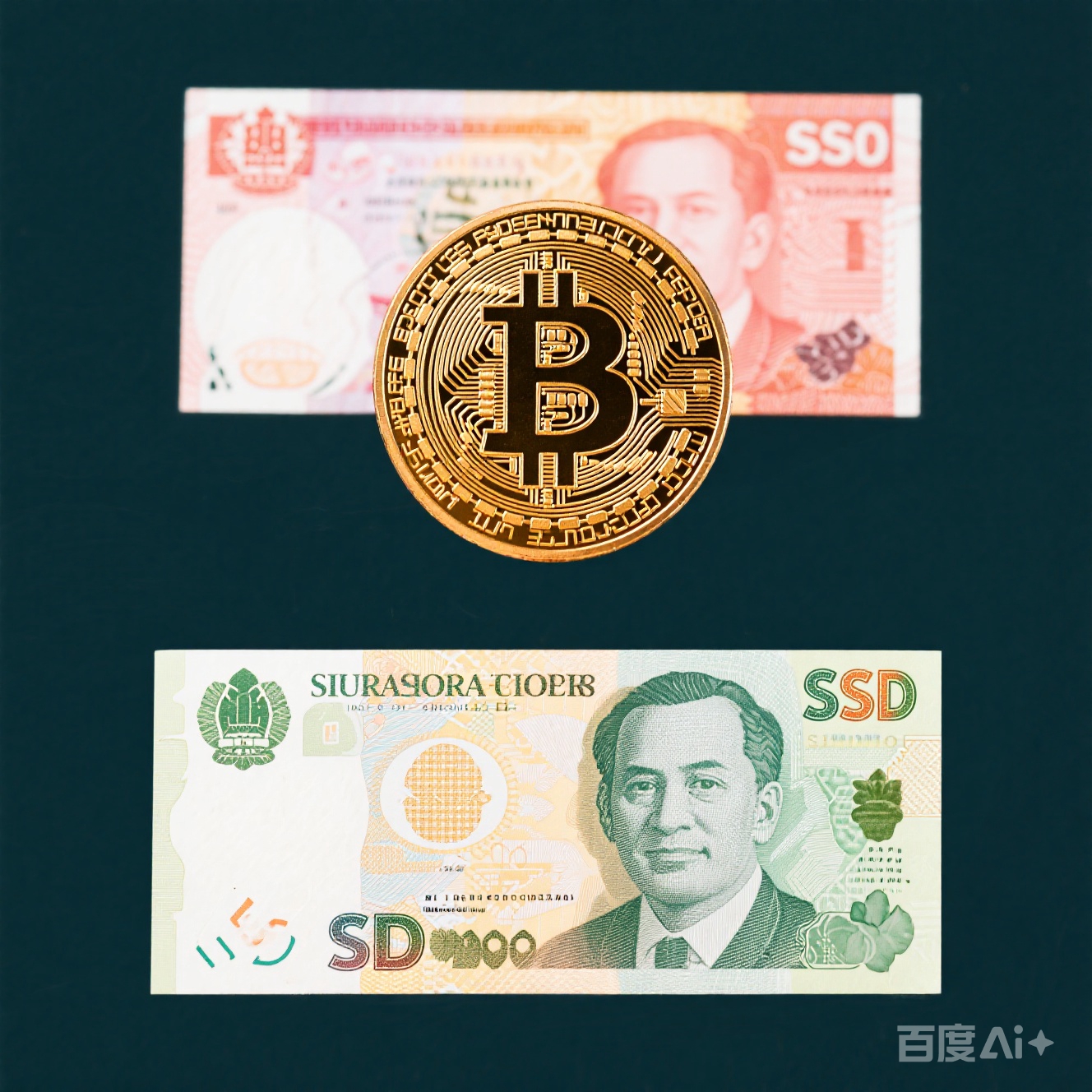
比特币 (BTC) 兑换新加坡元 (SGD):全面指南与汇率分析
比特币 (BTC) 兑换新加坡元 (SGD):全面指南与汇率分析概述汇率机制兑换平台兑换流程税务影响实用建议比特币兑换新加坡元概述比特币(BTC)与新加坡元(SGD)的兑换是加密货币市场中常见的交易对之一。新加坡作为亚洲金融中心,拥有完善的数字资产监管框架和活跃的加密货币市场,使BTC/SGD交易对...
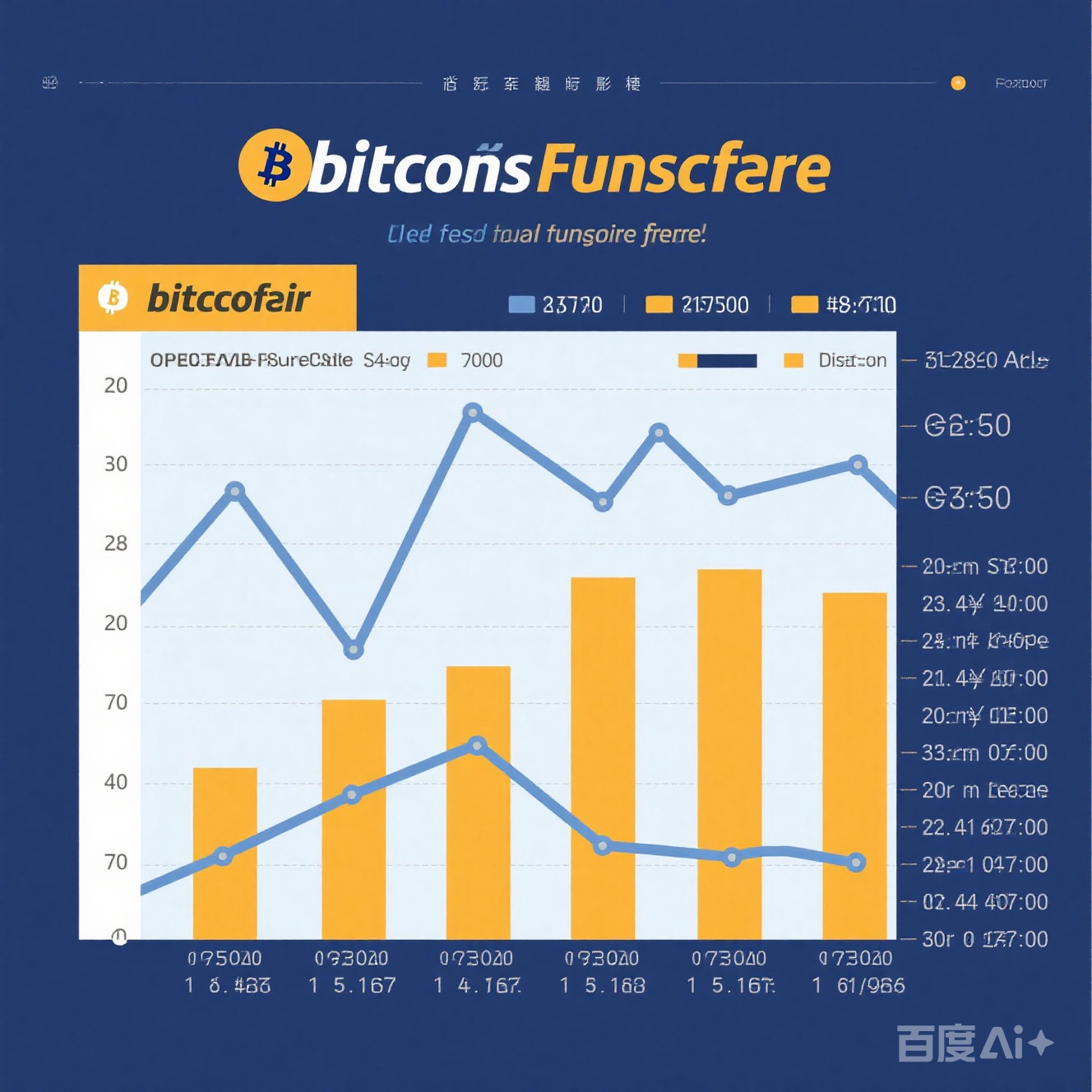
比特币资金费率详解 | 永续合约价格锚定的核心机制
比特币资金费率:永续合约市场的关键机制更新时间:2025年7月27日 | 作者:加密货币衍生品分析师什么是比特币资金费率?比特币资金费率是永续合约市场中特有的机制,用于确保合约价格与标的资产现货价格保持长期一致。与传统期货合约不同,永续合约没有到期日,资金费率机制替代了传统的到期结算方式。资金费率的...
巨鲸的告别;比特币灵魂深处的哲学辩论
巨鲸的告别:比特币灵魂深处的哲学辩论目录:· 序章:一笔惊世交易的涟漪· 巨鲸浮现:8万枚比特币的易主· “信仰动摇”论:斯科特·梅尔克的火花· 观点的交锋:何谓“背叛”?· 传统与新生:两种未来的拉扯· 中本聪的初衷:去中心化的乌托邦·&...
数字资产的“等待游戏”;SEC延迟背后,政治与监管的暗流涌动
数字资产的“等待游戏”:SEC延迟背后,政治与监管的暗流涌动标签: SEC 比特币ETF 加密货币监管 特朗普 真相社交 灰度目录:· 序章:一纸延期,万众瞩目· 延期潮起:SEC的审慎节奏· “加密妈妈”的忠告:耐心是美德?· 特朗普ETF的独特之处:政治与...
数字移民的“窄门”;黄金签证收紧,加密富豪的全球迁徙之路何去何从?
数字移民的“窄门”:黄金签证收紧,加密富豪的全球迁徙之路何去何从?标签: 黄金签证 加密货币投资 居留权 税务规划 全球公民身份目录:· 序章:一张护照,万金难求的吸引力· 黄金签证:曾经的“通行证”· 欧盟的围堵:马耳他、塞浦路斯与保加利亚的落幕· 政府的考...