

Understanding Futures Exchange Rebate Standards: A Trader's Guide to Fee Structures

In the fast-paced world of virtual currency trading, understanding costs is as crucial as predicting market movements. Among the various fees, futures exchange rebate standards represent a critical, yet often overlooked, component that can significantly impact a trader's bottom line. This comprehensive guide demystifies these standards, explaining how they work, why they matter, and how you can leverage them to optimize your trading strategy in the crypto markets.
What Are Futures Exchange Rebate Standards?
Futures exchange rebate standards are structured programs where an exchange returns a portion of the trading fees to its users. This is not a simple discount but a calculated incentive mechanism. In the context of virtual currency, when you place a trade on a futures contract—whether going long or short—you pay a fee, often called a "taker" fee. If you provide liquidity by placing an order that rests on the order book and someone else fills it, you are a "maker" and might pay a lower fee or even receive a rebate. These rebate standards define the rules, tiers, and percentages for these fee returns, creating a complex ecosystem designed to encourage certain trading behaviors and enhance market liquidity.
Why Do Crypto Exchanges Offer Rebates?
The primary driver behind futures exchange rebate programs is liquidity. A liquid market, with a high volume of buy and sell orders, is attractive to all participants as it allows for easier entry and exit at stable prices. By offering rebates to market makers—traders who provide this liquidity—exchanges ensure a vibrant and efficient trading environment. For the exchange, this translates to higher trading volumes and increased stability. For you, the trader, it means a more reliable platform to execute your strategies. This symbiotic relationship is fundamental to the health of any major crypto futures market, from Bitcoin and Ethereum to newer altcoin pairs.
Key Components of a Rebate Standard Structure
Navigating rebate standards requires understanding their core building blocks. Typically, these structures are not one-size-fits-all and are often tiered based on your trading volume over a specific period, like 30 days.
Maker and Taker Fees: This is the most fundamental distinction. The "taker" is the trader who removes liquidity by filling an existing order, while the "maker" adds liquidity by placing a new order. Rebates are almost exclusively tied to maker activity, incentivizing traders to place limit orders.
Volume Tiers: Exchanges reward loyalty and high volume. As your 30-day trading volume increases, you progress to higher tiers. These tiers often feature progressively lower taker fees and higher maker rebates, meaning you pay less to take liquidity and earn more for providing it.
Rebate Calculation and Payment: Rebates are usually calculated as a percentage of the trade value and are credited to your account automatically. They can be paid out in the base currency of the futures contract (e.g., USD) or in the exchange's native token, such as Binance's BNB or FTX Token (FTT), sometimes offering an additional discount.
How Rebate Standards Directly Impact Your Trading Profitability
For active traders, especially those employing high-frequency or market-making strategies, fees are a constant drain on profits. A seemingly small difference in fee structure can compound into a significant amount over hundreds of trades. By strategically aiming to qualify for maker rebates, you can turn a cost center into a minor revenue stream. For instance, if you consistently place limit orders and earn a 0.02% rebate on a $1,000,000 monthly volume, that's $200 earned back, directly offsetting other trading costs. This makes understanding and utilizing rebate standards a powerful tool for improving your overall Sharpe ratio and long-term profitability in volatile crypto markets.
Comparing Rebate Models Across Major Crypto Exchanges
Not all futures exchange rebate standards are created equal. A savvy trader must compare the fine print. Major players like Binance Futures, Bybit, and OKX all have distinct models. Binance uses a complex multi-tier system based on both 30-day volume and BNB holdings. Bybit, known for its user-friendly approach, often promotes a "zero maker fee" or even a positive rebate for certain tiers. OKX structures its tiers with a focus on both spot and futures volume combined. When choosing an exchange, it's vital to analyze which platform's rebate structure best aligns with your typical trading volume and style—are you predominantly a maker or a taker?
Strategies to Maximize Your Rebate Earnings
To truly benefit from futures exchange rebate standards, a passive approach is not enough. You need an active strategy. The most straightforward method is to consciously use limit orders whenever possible instead of market orders. By placing a limit order away from the current market price, you act as a maker and qualify for rebates once your order is filled. Furthermore, consolidating your trading volume on a single exchange can help you climb volume tiers faster, unlocking more favorable fee rates and higher rebates. For institutional traders or very high-net-worth individuals, some exchanges offer custom rebate agreements, negotiating terms directly based on guaranteed liquidity provision.
The Future of Rebates in Crypto Futures Trading
As the virtual currency derivatives market matures and competition intensifies, rebate standards are likely to evolve. We may see more exchanges introducing dynamic rebate models that adjust in real-time based on market volatility and liquidity demands. The integration of Decentralized Finance (DeFi) principles could also lead to more transparent and community-governed fee models on decentralized futures platforms. For the trader, this means that staying informed about these changes is not a one-time task but an ongoing necessity to maintain a competitive edge.
Conclusion: Making Rebates Work for You
Futures exchange rebate standards are far more than a minor detail in a platform's terms of service. They are a fundamental aspect of market microstructure that directly influences trading costs and strategies. By taking the time to understand the maker-taker model, comparing tiered structures across exchanges, and actively employing strategies to qualify for rebates, you can significantly reduce your transaction costs. In the hyper-competitive world of crypto trading, where every satoshi counts, mastering the intricacies of rebates is a powerful step toward maximizing your profitability and achieving long-term success.
“Understanding Futures Exchange Rebate Standards: A Trader's Guide to Fee Structures” 的相关文章
比特币USDT走势图:市场动态与未来趋势分
比特币USDT走势图 | 最新行情分析与趋势预测body { font-family: 'Arial', sans-serif; line-height: 1.6; color: #333; ma...
东瀛智脑的“数字淘金”:一家日本AI公司与比特币的巨额盟约
东瀛智脑的“数字淘金”:一家日本AI公司与比特币的巨额盟约标签: 比特币 日本企业 加密货币 资产配置 法币贬值目录:· 序章:AI与比特币的奇妙联姻· 量子方案:一项大胆的财务决策· 缘起:法币贬值与全球不确定性· 策略:分阶段投资与香港跳板· 日...
FTX USDT提现手续费全面解析
FTX USDT提现手续费全面解析(2025年最新版)更新时间:2025年8月1日在加密货币交易中,提现手续费是投资者必须考虑的重要成本因素。本文将以FTX交易所的USDT提现为例,详细解析当前费率结构、影响因素以及优化策略,帮助用户降低交易成本。一、FTX USDT提现基础费率截至2025年8月,...
Roblox中的BTC是什么意思 | 游戏币与比特币区别 | 虚拟经济解析
body { font-family: 'Arial', sans-serif; line-height: 1.6; color: #333; max-width: 1200px;...
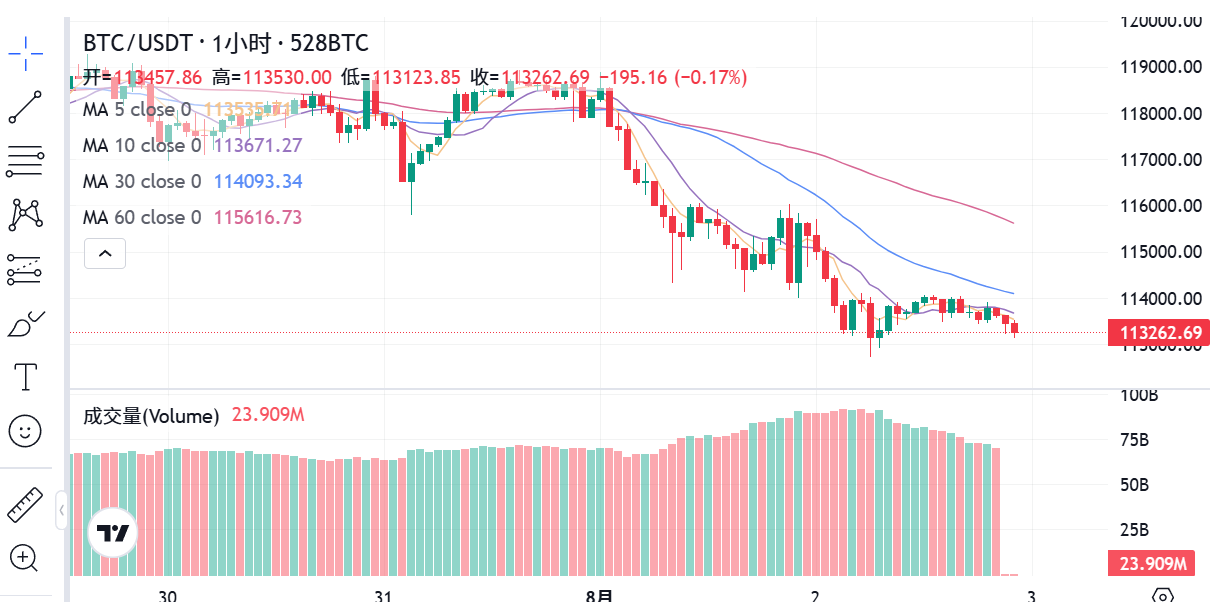
BTC最新成交量分析:市场流动性深度解读
BTC最新成交量分析:市场流动性深度解读最后更新:2025年8月2日目录成交量概览成交量趋势分析交易所成交量对比大额交易追踪市场流动性评估成交量与价格关系成交量技术指标投资洞察常见问题BTC成交量概览截至2025年8月2日,比特币24小时全球交易量达到580亿美元,较上周平均水平增长35%。其中现货...
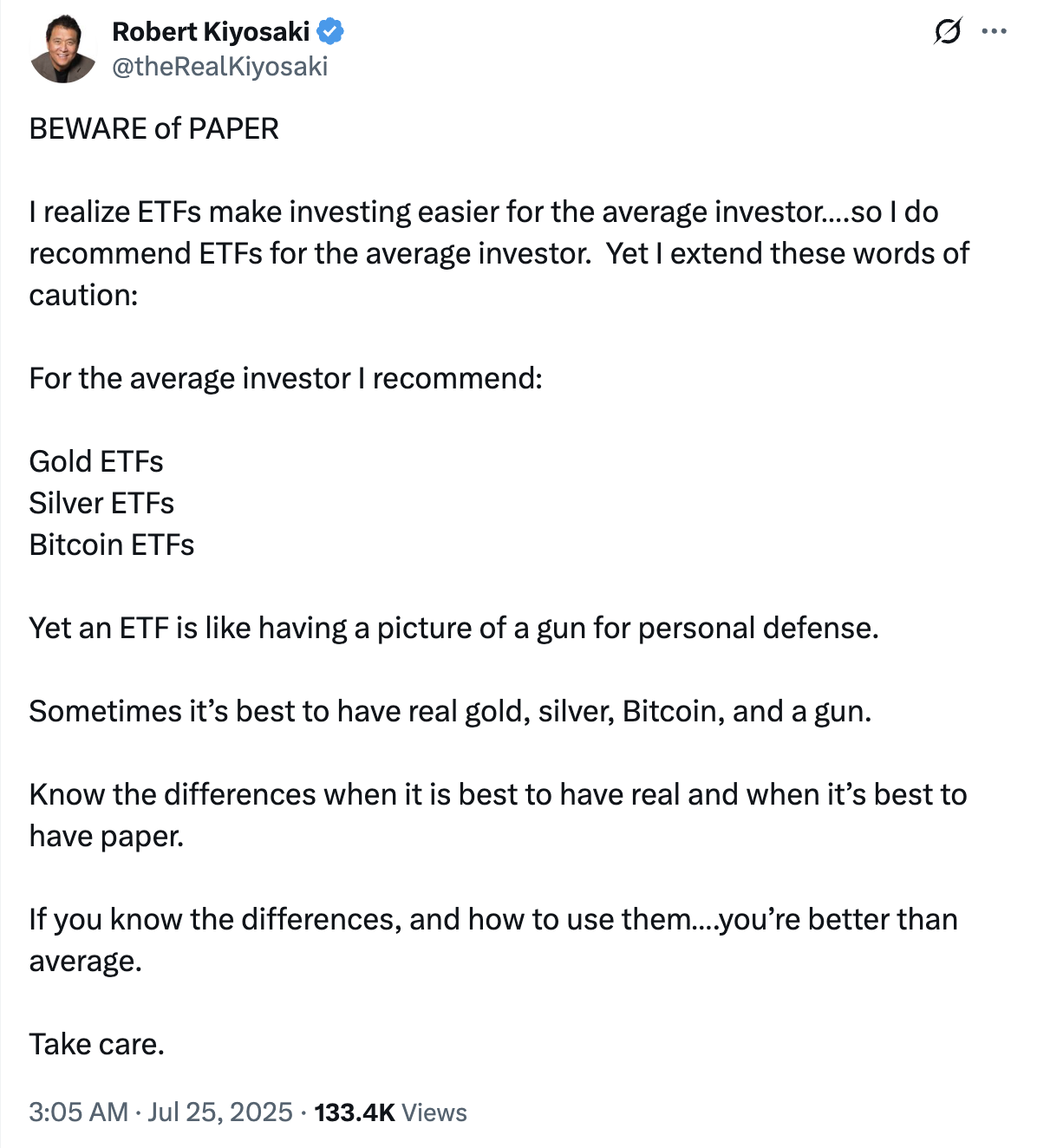
数字黄金的“纸”与“实”;清崎警告ETF风险,专家力证其安全性
数字黄金的“纸”与“实”:清崎警告ETF风险,专家力证其安全性标签: 罗伯特·清崎 比特币ETF 黄金 白银 实物资产 纸质资产 银行挤兑目录:· 序章:富爸爸的“枪支比喻”· 清崎的担忧:警惕“纸上财富”的幻象· 银行挤兑:一个古老的金融梦魇· ETF的防线...