

Websea Exchange Fees Explained: A 2024 Guide to Trading Commissions & Savings

For anyone stepping into the dynamic world of cryptocurrency trading, understanding exchange fees is as crucial as picking the right asset. A common question on every trader's mind is, "How much is the commission on Websea exchange generally?" This comprehensive guide will not only answer that but also break down the entire fee structure, helping you trade smarter and keep more of your hard-earned crypto.
Demystifying the Core: Websea's Trading Commission Structure
At its heart, a trading commission, often called a taker or maker fee, is the cost you pay the exchange for executing your buy or sell orders. Websea generally employs a tiered fee model, which means the more you trade, the lower your fees can become. The standard commission rate for most users typically falls within a competitive range of 0.1% to 0.2% per trade. This rate is not a single figure but is split into two main types: maker fees and taker fees. Understanding the difference between these two is the first step to optimizing your trading costs on Websea.
Maker vs. Taker: Who Pays What on Websea?
The key to lowering your fees lies in understanding the roles of maker and taker. A "maker" is a trader who provides liquidity to the market by placing an order that isn't immediately matched with an existing one, such as a limit order set below the current asking price. A "taker" is a trader who removes liquidity by placing an order that is instantly filled, like a market order. On Websea, maker fees are generally lower than taker fees, often starting from as low as 0.1% or less, as an incentive for adding depth to the order book. Taker fees, for those demanding immediate execution, might start around 0.2%. This structure encourages patient trading strategies that benefit the entire platform's ecosystem.
Beyond Trading: Other Crucial Fees to Consider
While trading commissions get the most attention, a complete overview of Websea's fees must include other potential costs. A significant one is the withdrawal fee. Unlike trading fees which are a percentage, withdrawal fees are typically a fixed network cost for moving your crypto assets off the exchange. For example, withdrawing Bitcoin (BTC) or Ethereum (ETH) will incur a gas fee that Websea passes on to the user. These fees fluctuate with network congestion and are not unique to Websea. Additionally, some exchanges charge deposit fees, though many, including Websea, often offer free deposits for cryptocurrencies to encourage users to fund their accounts.
How to Calculate Your Actual Trading Costs on Websea
Knowing the percentage is one thing; calculating the real-world impact is another. Let's put it into practice. If the taker fee is 0.2% and you execute a market buy for $1,000 worth of Ethereum, your trading commission would be $1,000 * 0.002 = $2. This $2 is deducted from your total order value. For a maker using a limit order with a 0.1% fee on a $500 trade, the cost would be $0.50. Consistently tracking these small amounts is vital for active traders, as they can significantly eat into profits over time, especially when engaging in high-frequency or arbitrage trading strategies.
Pro Tips: Effective Strategies to Reduce Your Websea Commissions
Fortunately, you are not powerless against trading fees. There are several proven methods to reduce your commission burden on Websea. The most direct way is to climb the VIP tiers by increasing your 30-day trading volume or holding a certain amount of the exchange's native token, if it has one. Furthermore, consistently using limit orders instead of market orders can qualify you for the lower maker fee. Participating in exchange promotions, referral programs, or special events can also yield fee discount vouchers. For the cost-conscious trader, mastering these strategies is non-negotiable for long-term portfolio growth.
Websea Fees in the Broader Crypto Exchange Landscape
How does Websea's "generally 0.1%-0.2%" commission stack up against the competition? In the current market, Websea positions itself as a competitive player. It often undercuts some of the larger, legacy exchanges but may be slightly higher than some pure decentralized exchanges (DEXs) that operate on a different model. However, when comparing, it's essential to look at the whole package—security, liquidity, user interface, and customer support—not just the fee percentage. For many users, paying a marginally higher fee for a robust and secure platform like Websea provides greater value and peace of mind.
Conclusion: Trading Smart Means Understanding the Costs
So, how much is the commission on Websea exchange generally? As we've explored, the answer is a dynamic one, typically starting between 0.1% and 0.2% and influenced by your trading style, volume, and use of platform features. By grasping the difference between maker and taker fees, accounting for withdrawal costs, and actively employing fee-reduction strategies, you can transform from a trader who simply pays costs to one who strategically manages them. Always remember to check Websea's official fee schedule for the most current and detailed information, empowering you to make the most cost-effective decisions in your cryptocurrency journey.
“Websea Exchange Fees Explained: A 2024 Guide to Trading Commissions & Savings” 的相关文章

区块链保本机制:理解加密货币投资的风险管理策略
区块链保本机制:理解加密货币投资的风险管理策略最后更新:2025年7月20日目录区块链保本机制概述主要区块链保本机制类型智能合约保本方案稳定币对冲策略加密货币期权保护质押挖矿中的保本策略未来发展趋势总结与建议区块链保本机制概述区块链保本机制:理解加密货币投资的风险管理策略在高度波动的加密货币市场中,...
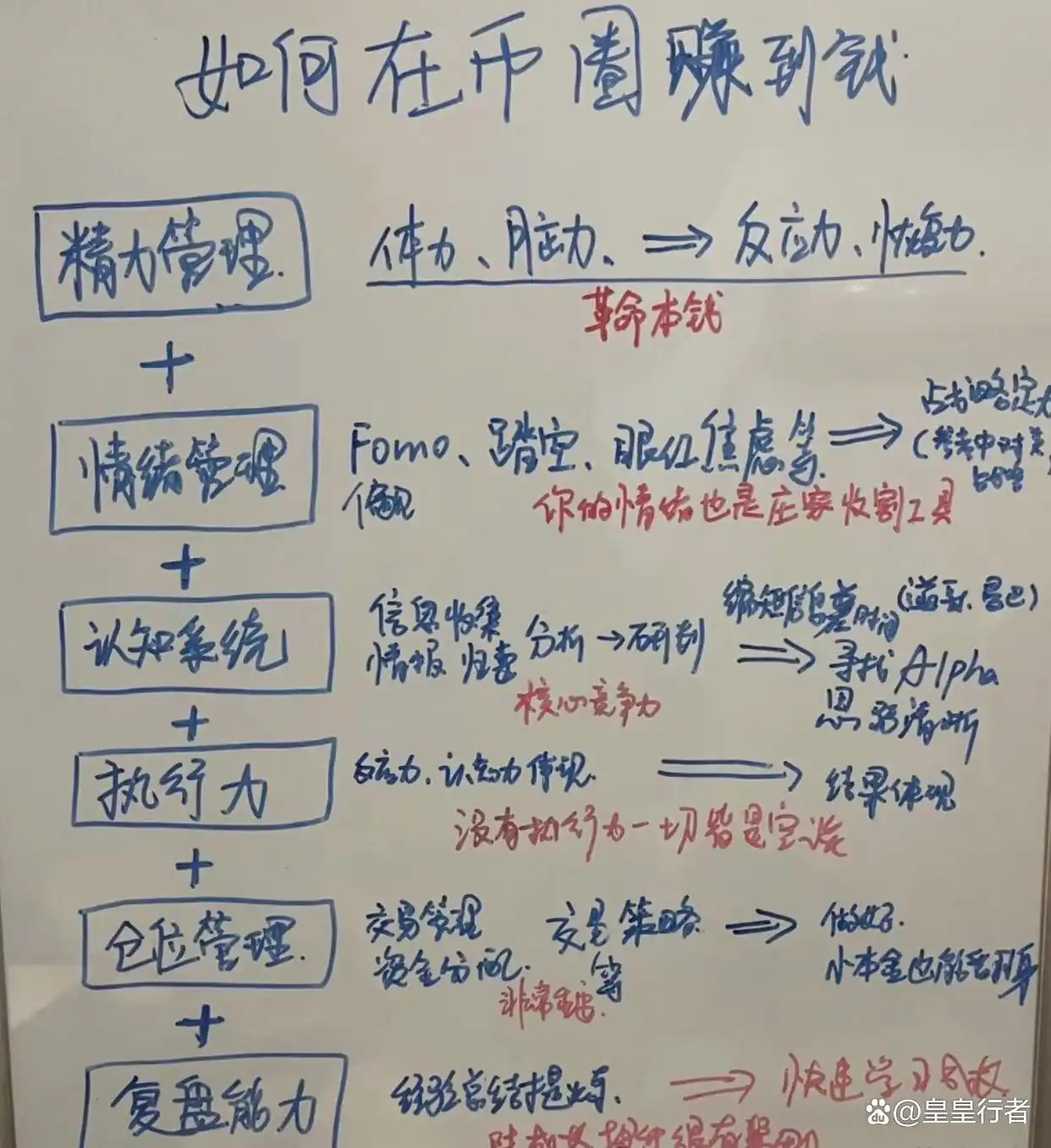
炒币10年,盈利3000w!总结了10条炒币心得,都是真金白银的实践
炒币如何赚到大钱?现在入市晚了吗?币圈不缺机会,但是命只有一条。不要看不起现货的波动,尤其是主流核心的标的。这个仓位得必须有。没有足够的交易经验之前只玩现货。现货稳定盈利是第一步,不要上来就玩高难度的合约。在你还没完全掌握趋势交易的时候,不要多空双吃,因为趋势是有惯性的。不会你看空,马上就掉头多转空...
资金狂潮!加密货币市场迎来史上最强劲注资,牛市号角嘹亮?
资金狂潮!加密货币市场迎来史上最强劲注资,牛市号角嘹亮?加密货币 投资产品 市场资金流向 比特币 以太坊 山寨币 投资报告目录历史性突破:加密货币投资产品吸引创纪录资金牛市引擎:比特币与以太坊双轮驱动地理图景:全球资金流向何方?山寨币的崛起:风险偏好回归?展望:狂热能否持续?历史性突破:加...
NFT_市场春潮涌动;60_亿美元市值重现,鲸鱼豪掷千金扫货_CryptoPunks
NFT 市场春潮涌动:60 亿美元市值重现,鲸鱼豪掷千金扫货 CryptoPunksNFT 市场 非同质化代币 市场复苏 CryptoPunks 以太坊 蓝筹NFT 投资分析目录· 沉寂后的爆发:NFT 市值重回 60 亿美元· 巨鲸的号角:CryptoPunks 成焦点·&nb...
如何在Bybit P2P上在线出售USDT:完整指南 | 加密货币交易教程
如何在Bybit P2P上在线出售USDT:完整指南Bybit P2P交易平台简介Bybit是全球领先的加密货币交易平台之一,其P2P(点对点)交易功能为用户提供了直接买卖加密货币的渠道。与传统的交易所订单簿不同,P2P交易允许用户之间直接协商价格和支付方式,平台作为中介保障交易安全。在Bybit...
比特币交易过程详解 | 从创建钱包到完成交易的全流程指南
比特币交易过程详解 | 从创建钱包到完成交易的全流程指南body { font-family: 'Arial', sans-serif; line-height: 1.6; color: #333;...